Kate Winslet, Matt Damon, Jennifer Ehle and Laurence Fishburne post public service announcements.
from BBC News - Technology https://ift.tt/3dK8xSD
Tuesday, March 31, 2020

How To Fix Mobile Hotspot Connected but No Internet on Android
WiFi is indeed an excellent connectivity feature to spread the internet amongst the device. Over the past few years, WiFi remained the best option to share the internet between devices. However, WiFi is an internet-connected device, and it’s prone to connectivity problems. WiFi problems often decline users from connecting to the internet.
To deal with WiFi connected but no internet problem, we have shared a detailed guide. In this article, we are going to talk about mobile hotspot problems. Recently, lots of Android users have messaged us and asked about Hotspot (Android) connected, but no internet access problem.
Let’s admit, Hotspot connected, but no internet could be the most frustrating thing in life. Some users have reported that they are getting ‘Limited or no internet access’ issue while connecting to the Mobile Hotspot.
How To Fix Mobile Hotspot Connected but No Internet on Android
So, if you have also stepped into the same problem, then it’s time to explore the methods to fix the issue. In this article, we are going to share a few best practices that would help you to fix Mobile Hotspot connected but no internet on Android 2020.
1. Restart Both Devices

Well, a simple restart can fix most of the problems, including the Mobile Hotspot connected but no internet. In this method, you need to restart both of the device – the one sharing the internet, and the one connecting to the Hotspot. Once restarted, make the connection, and you won’t get the error anymore. Also, check if the internet device is working on the sharing device or not. If it’s not working, then you need to contact the telecom operator.
2. Turn Off/On The Mobile Data
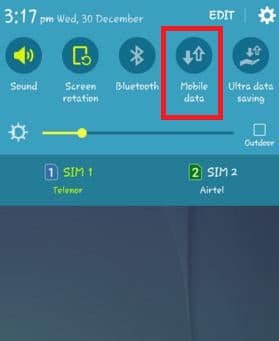
Well, by default Android prioritize WiFi over the mobile data. So, if the other device is connected to the WiFi network, then make sure to disable it. Once disabled, make the connection. If it doesn’t help, then turn off/on the mobile data and then enable the mobile Hotspot. This will eventually fix the problem.
3. Check the Max Connection Allowed (Device)
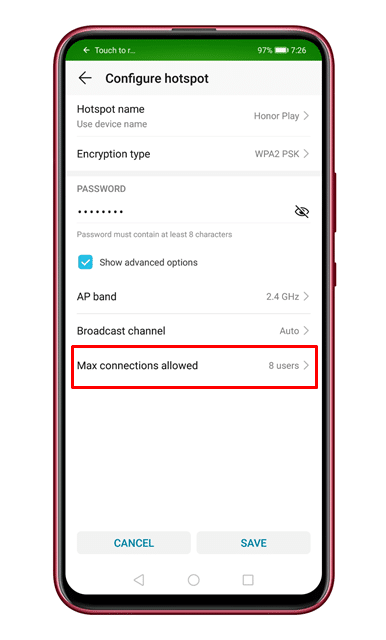
If you are connected to the mobile Hotspot, but unable to access the internet, then you need to check the max connection allowed option. By default, Android allows connecting 8 devices. So, if you are the 9th one to connect to the Mobile Hotspot, you won’t be able to use the internet. So, make sure to check the maximum allowed device on the sharing device. To check the max connection, head to the ‘Wireless & Networks’ > Tethering & Portable Hotspot > Portable WiFi hotspot > Configure Hotspot > Max connections allowed.
4. Fix the APN settings
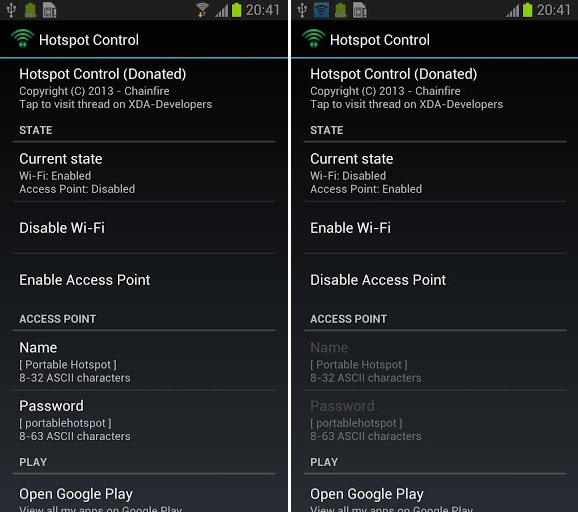
Invalid access point name settings also trigger such problems. Actually, before making the connection, the APN needs to be matched (mobile internet & tethered mobile internet). So, make sure to check the access point name settings of the device whose internet you want to be shared. To check the APN settings, head to the Settings > Connections > APN. There you need to check the details of two APNs; they should match. Once done, restart the device and turn on the Hotspot.
5. Clear The System Cache
Well, this type of issue often occurs due to corrupted system cache. So if all of the above-listed methods failed to fix the problem, then you need to clear the System cache. However, clearing system cache could be a complicated process. You need to follow the steps given below carefully.
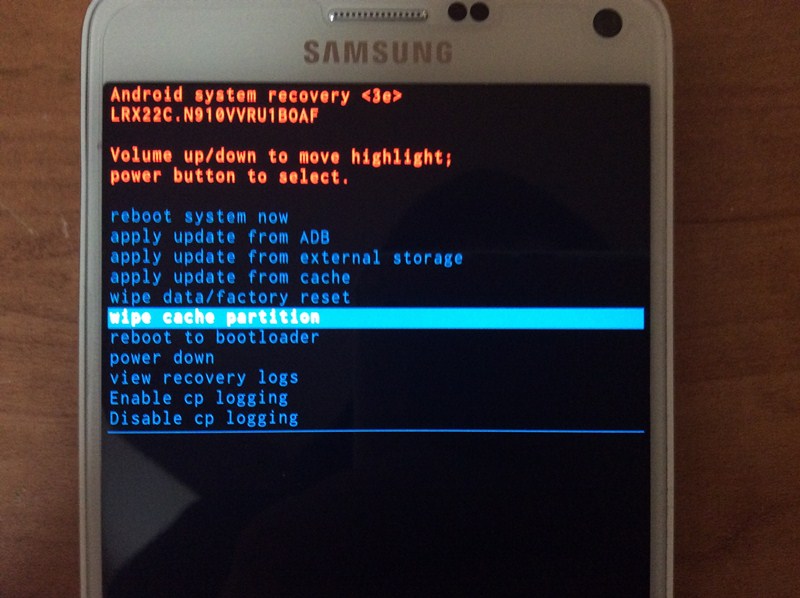
- Turn off your smartphone.
- Now hold the Power + Volume down key simultaneously
- Your phone will reboot within a few seconds.
- It will take you to the recovery mode.
- You need to use the volume up + volume down button to navigate the ‘Wipe cache’ option.
- Use the power button to choose the option and clear the cache.
- Once done, you need to select the ‘reboot’ option from the recovery window.
So, these are the five best methods to fix Mobile Hotspot connected but no internet problem. I hope this article helped you! Share it with your friends also.
The post How To Fix Mobile Hotspot Connected but No Internet on Android appeared first on Tech Viral.
from Tech Viral https://ift.tt/2yn3XtA
Monday, March 30, 2020
Houseparty offers $1m reward for proof of sabotage
The company says claims it exposed users data were part of a commercial smear campaign.
from BBC News - Technology https://ift.tt/2QXGdCJ
from BBC News - Technology https://ift.tt/2QXGdCJ
Facebook deletes Brazil President’s coronavirus misinfo post
Facebook has diverted from its policy of not fact-checking politicians in order to prevent the spread of potentially harmful coronavirus misinformation from Brazilian President Jair Bolsonaro. Facebook made the decisive choice to remove a video shared by Bolsonaro on Sunday where he claimed that “hydroxychloroquine is working in all places.” That’s despite the drug still undergoing testing to determine its effectiveness for treating COVID-19, which researchers and health authorities have not confirmed.
“We remove content on Facebook and Instagram that violates our Community Standards, which do not allow misinformation that could lead to physical harm” a Facebook spokesperson told TechCrunch. Facebook specifically prohibits false claims regarding cure, treatments, the availability of essential services, and the location or intensity of contagion outbreaks.

BBC News Brazil first reported the takedown today in Portuguese. In the removed video, Bolsonaro had been speaking to a street vendor, and the President claimed “They want to work”, in contrast to the World Health Organization’s recommendation that people practice social distancing. He followed up that “That medicine there, hydroxychloroquine, is working in all places.”
If people wrongly believe there’s an widely-effective treatment for COVID-19, they may be more reckless about going out in public, attending work, or refusing to stay in isolation. That could cause the virus to spread more quickly, defeat efforts to flatten the curve, and overrun health care systems.
This why Twitter removed two of Bolsonaro’s tweets on Sunday, as well as one from Rudy Giuliani, in order to stop the distribution of misinformation. But to date, Facebook has generally avoided acting as an arbiter of truth regarding the veracity of claims by politicians. It notoriously refuses to send blatant misinformation in political ads, including those from Donald Trump, to fact-checkers.
Last week, though, Facebook laid out that COVID-19 misinformation “that could contribute to imminent physical harm” would be directly and immediately removed as it’s done about other outbreaks since 2018, while less urgent conspiracy theories that don’t lead straight to physical harm are sent to fact-checkers that can then have the Facebook reach of those posts demoted.
Now the question is whether Facebook would be willing to apply this enforcement to Trump, who’s been criticized for spreading misinformation about the severity of the outbreak, potential treatments, and the risk of sending people back to work. Facebook is known to fear backlash from conservative politicians and citizens who’ve developed a false narrative that it discriminates against or censors their posts.

from Social – TechCrunch https://ift.tt/2vYZGeT
'The phone slipped into the bath': Conference call tales
How to avoid some of the pitfalls of teleconferencing and how it is changing the way we meet and do business.
from BBC News - Technology https://ift.tt/2xx5TPR
from BBC News - Technology https://ift.tt/2xx5TPR
Facebook Messenger preps Auto Status location type sharing
Facebook Messenger could soon automatically tell your closest friends you’re at the gym, driving, or in Tokyo. Messenger has been spotted prototyping a ported version of the Instagram close friends-only Threads app’s Auto Status option that launched in October.
The unreleased Messenger feature would use your location, accelerometer, and battery life to determine what you’re up to and share it with a specific subset of your friends. But instead of sharing your exact coordinates, it overlays an emoji on your Messenger profile pic to indicate that you’re at the movies, biking, at the airport, or charging your phone.
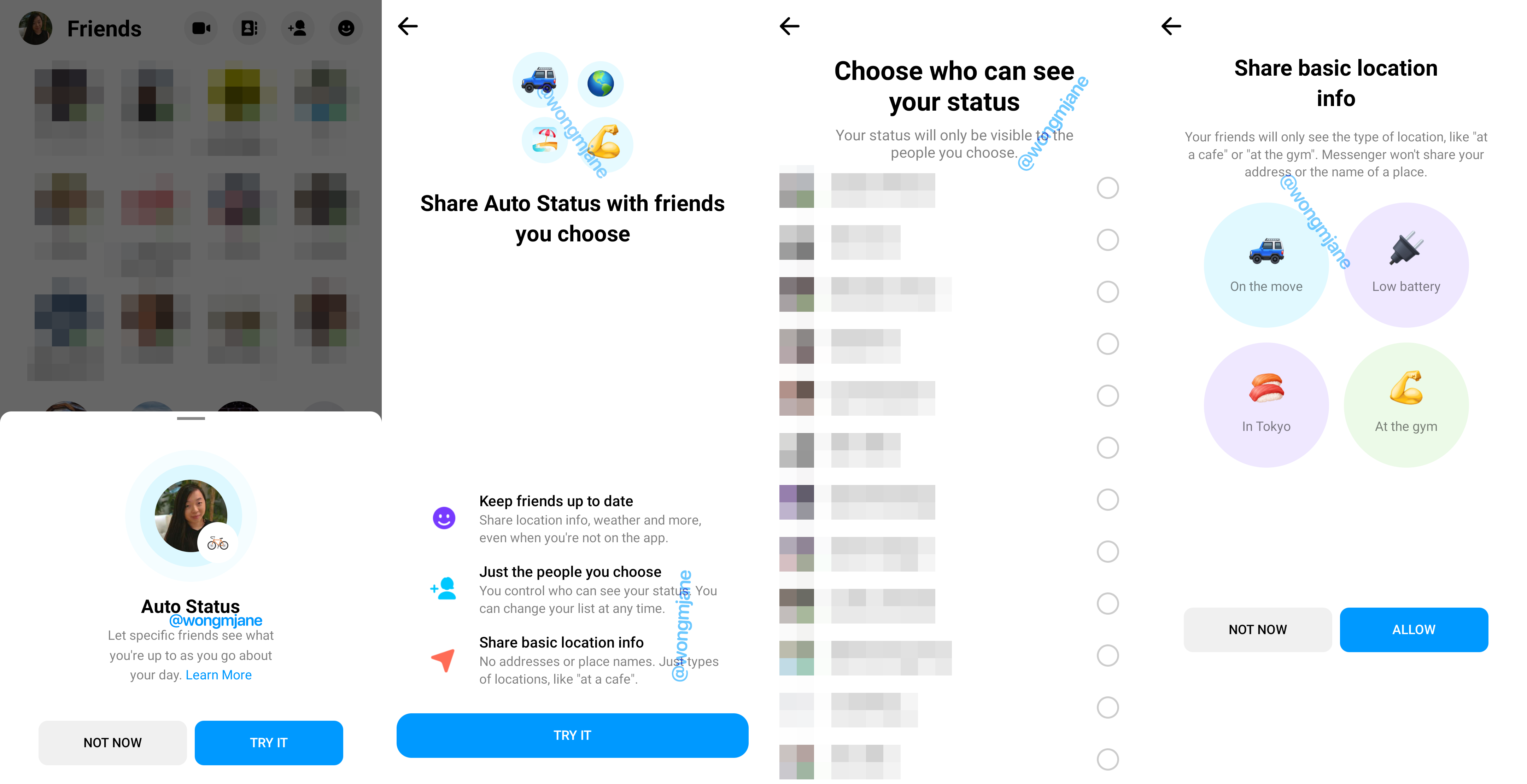
It’s unclear if or when Messenger might launch Auto Status. But if released, the feature could become Facebook’s version of the AOL Away Message, allowing people to stay in closer touch without the creepiness of exact location sharing. It might also help people coordinate online or offline meetups by revealing what friends are up to. Auto Status creates an ice breaker, so if it says a close friend is “at a cafe”, or “chilling” you could ask to hang out.
Back in 2016, I wrote about how exact location sharing had failed to become mainstream because knowing where someone is doesn’t tell you their intention. What matters is whether they’re free to interact with you, which none of the social networks offered.
A few products like Down To Lunch and Free have came and went in the meantime. Snapchat’s Snap Map and its acquisition Zenly both doubled down on precise location sharing, yet still we’re often stuck home wondering if anyone we care about is similarly bored and might want to hang out.
Facebook has been experimenting in this space since at least early 2018, when its manual Emoji Status was spotted. That allowed you to append an emoji of your choosing to your Messenger profile pic. Then in October Facebook introduced Auto Status, but only in the Instagram side-app Threads.
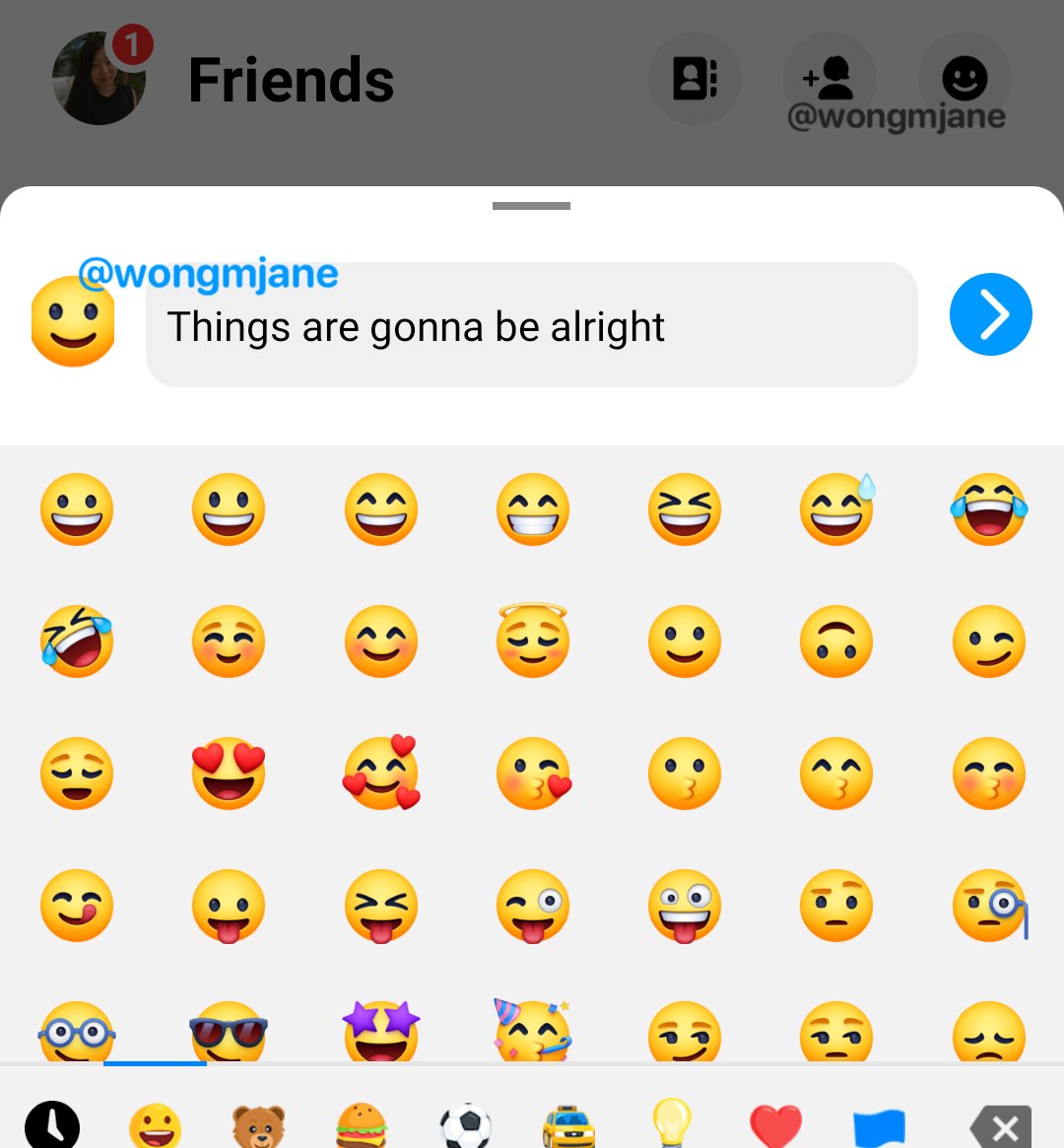
Some users were initially creeped out by the idea of Facebook relaying battery status. But Instagram director of Product Management Robby Stein explained to me that since you might not respond to a message if your phone goes dead or is left on the charger, it’s useful info to relay to friends who might be wondering what you’re doing.
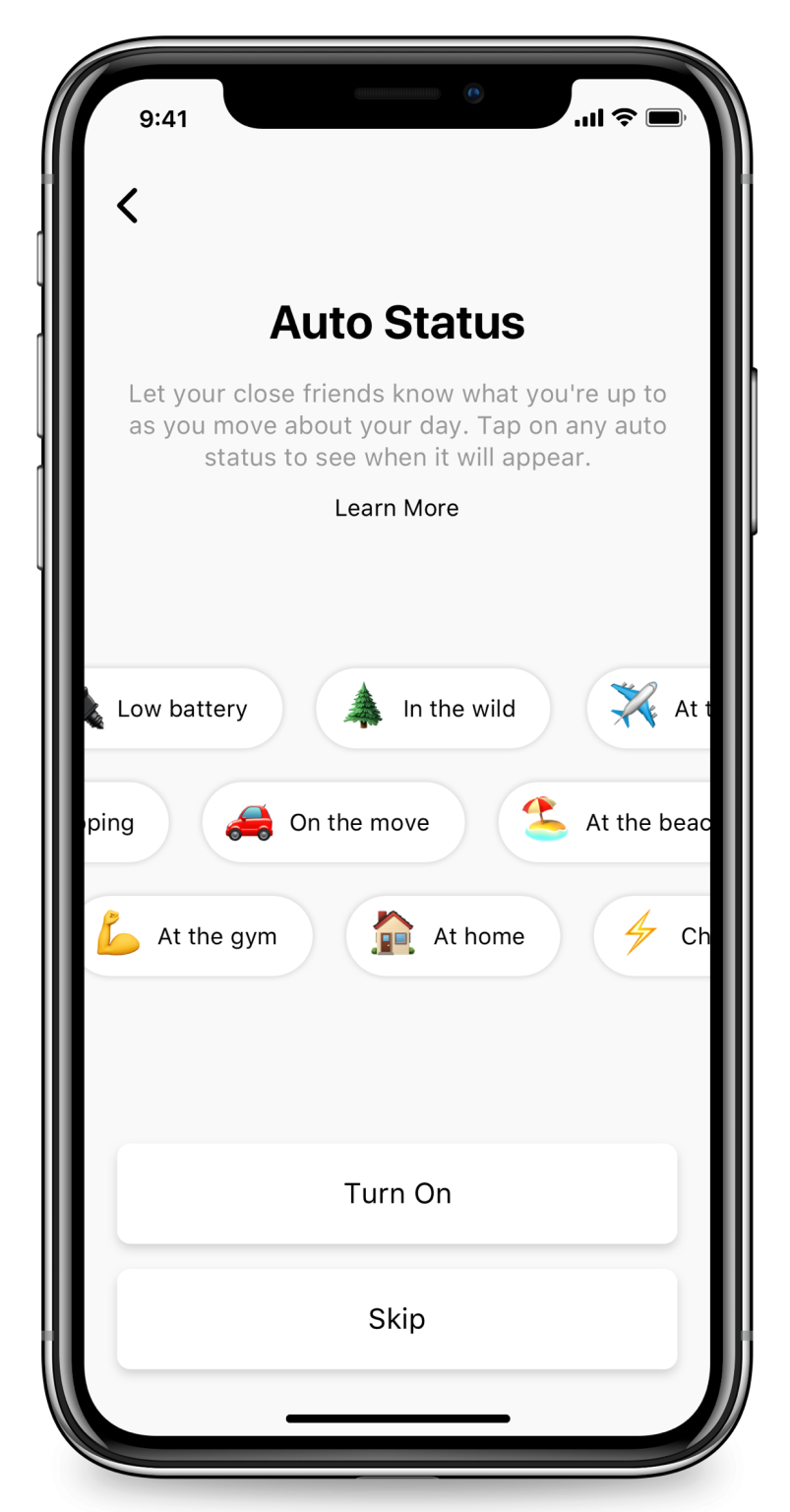 Then earlier this month, reverse engineering master and constant TechCrunch tipster Jane Manchun Wong revealed a new, unreleased version of Emoji Status hidden in Messenger’s Android code. Then today, Wong showed off how she similarly spotted Facebook trying to port Auto Status to Messenger. That would bring the feature to over one billion monthly users compared to the relatively small base for Threads.
With Auto Status, you can “Let specific freidns see what you’re up to as you go about your day. Share location info, weather, and more, even when you’re not in the app.” Auto Status is only visible to a special list of friends you can change at any time, similar to Instagram Close Friends. And the feature shares “no addresses or place names. Just types of locations, like “at a cafe”. Movement (driving, biking, walking), venue (at the movies, airport), cities (in Tokyo), and battery status (low battery, charging), are some of categories of what Auto Status shares.
A Facebook Messenger communications representative confirmed to TechCrunch that the Auto Status feature was being prototyped by Messenger, noting that “We’re always exploring new features to improve your Messenger experience. This feature is still in early development and not externally testing.” The company also tweeted the statement.
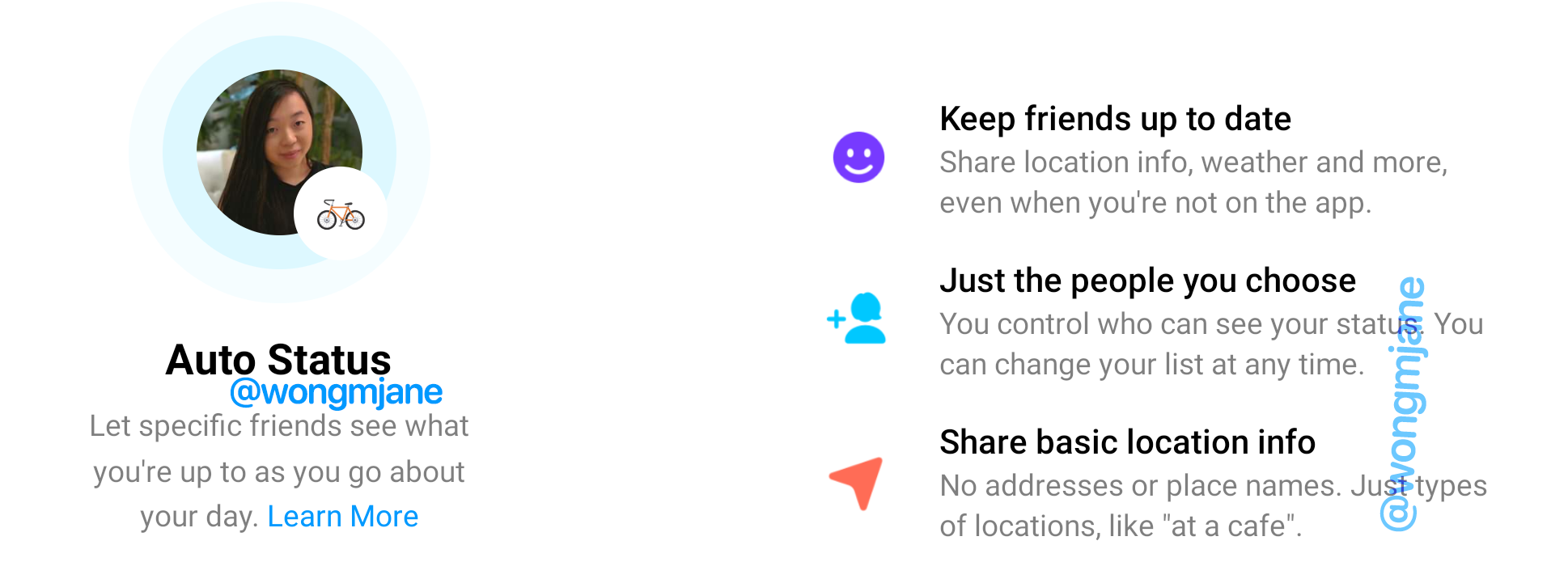
One of the biggest unsolved problems in social networking and messaging remains knowing whether friends are free to chat or hang out without having to ask them directly. Reaching out at the wrong time only to be ignored or rejected can feel awkward, intimidating, and discourage connection later. But if you have a vague idea of what a close friend is up to, you can more deftly plan when to message them, and be more likely to get to spend time together in person or just online.
That could be a cure to the loneliness that endless feed scrolling by ourselves can leave us feeling.

from Social – TechCrunch https://ift.tt/2UI9H8I
WeWork sells off social network Meetup to AlleyCorp and other investors
Meetup, the social networking platform designed to connect people in person, is being spun out from shared office space provider WeWork, the company confirmed on Monday. The site is being sold to AlleyCorp and other private investors for an undisclosed sum, but one that’s reportedly far less than the $156 million acquisition price WeWork paid for the social network back in 2017.
Fortune (paywalled) was first to break the news of Meetup’s sale. The company has also now put out a press release with further details.
Meetup, which has operated for two-and-a-half years as a WeWork subsidiary, will divest itself from its parent company and continue to operate, it says. The site today serves 49 million registered members and more than 230,000 organizers who create an average of 15,000 in-person events per day.
Even before the COVID-19 pandemic, Meetup had been struggling. The company in November announced a round of layoffs amid other cost-cutting measures. And these had followed earlier cuts of 10% of staff during acquisition negotiations.
With the COVID-19 pandemic now in full force, fewer people than ever are willing and able to meet in-person, leading to Meetup to position itself today as a place for groups to meet “online during times of crisis,” its release said. That remains to be seen.
The investor groups in Meetup’s latest acquisition are led by Kevin Ryan’s AlleyCorp and also include other “mission-driven private funds” and “accomplished technology executives,” the company claims.
The deal will see Ryan joining Meetup as chairman of the Board. David Siegel will remain Meetup CEO and board member, and will continue to lead the company.
Meetup groups will continue to operate, as will Meetup’s enterprise business solution, Meetup Pro, which has been used by over 1,500 clients to date, including Adobe, Google, Microsoft Azure, IBM, Twitter and Looker, among others.
“This acquisition provides the long-term capital to ensure that Meetup focuses on what is most important: the organizers who make Meetup successful, our passionate members, and our dedicated employees,” said David Siegel, CEO of Meetup, in a statement. “We are excited to continue on our mission of empowering personal growth through real human connections, and I’m happy to have brought in a team of smart investors who share and support the same values,” he said.
WeWork’s intention to sell off Meetup was previously known. Unfortunately for the longtime social network, it was one of several casualties arising from WeWork’s larger troubles.
It’s unclear, however, what the future holds for Meetup. Though the government lockdown policies may eventually end, consumers’ appetite for getting together in real-life groups with people they first met online may not be as strong as it was before. Meetup may have to shift more of its focus to supporting online-only groups — a market that’s today dominated by Facebook Groups, or niche apps catering to specific categories, like Peanut for moms or Nextdoor for neighbors, for instance.
“We are confident in the enormous potential of the business and Meetup’s mission of bringing people together in substantive ways,” said AlleyCorp’s Ryan, in a statement. “We are very excited to collectively serve and grow Meetup’s extensive and incredibly engaged user base.”


from Social – TechCrunch https://ift.tt/3bO5gjN
Subscribe to:
Posts (Atom)